





Potable water

The term ‘potable’ means safe to drink, and is derived from the Latin ‘potare’ meaning ‘to drink’.
The term ‘potable water’ refers to water that is safe for humans to drink. This may be referred to as ‘drinking water’. The 2030 Agenda for Sustainable Development recognised access to safe drinking water as a human right. However, nearly a third of the global population do not use safely-managed drinking water.
Potable water is not ‘pure’ water (such as distilled water) but will include dissolved ‘impurities’ that are not harmful to health. It is also not ‘fresh water’. For example, rainwater might be considered to be ‘fresh’ but may not be suitable for drinking. Fresh water typically needs to be treated to make it suitable for drinking.
Water that is not suitable for drinking may be referred to as non-potable. Non-potable water can be made potable by processes such as desalination, distillation, reverse osmosis, screening, flocculation, filtration, chlorination and so on.
Approved Document G (Sanitation, hot water safety and water efficiency) of the building regulations sets out the water efficiency calculation methodology for assessing whole house potable water consumption in new dwellings, and defines maximum consumption levels in litres per person per day.
The supply of water to properties through the water distribution system (sometimes referred to as mains water) is more accurately referred to as ‘wholesome water’. Wholesome water is defined as water complying with the requirements of regulations made under Section 67 (Standards of wholesomeness) of the Water Industry Act 1991. The regulations made under this Section are; for England, the Private Water Supplies Regulations 2009 (SI 2009/3101), for Wales the Private Water Supplied (Wales) Regulations (SI 2010/66) and for England the Water Supply (Water Quality) Regulations 2000 (SI 2000/3184 as amended), and, for Wales, the Water Supply (Water Quality) Regulations 2001 (SI 2001/3911 as amended).
The UK has more than 416,175 kms of water mains, delivering 16.6 billion litres of wholesome water to 63.9 million people every day. This supplies some of the cleanest drinking water in the world. 99.97% of water samples in England and Wales met the Drinking Water Inspectorate’s standards in 2013. Ref https://www.gov.uk/government/publications/water-and-treated-water/water-and-treated-water
However, water that is supplied to premises may subsequently become non-potable, for example if it is stored in an open tank, if pipework is made from lead and so on.
Non-wholesome water must not be inadvertently supplied in place of wholesome water and it should not be permitted to contaminate wholesome water systems, for example, by mis-connection. Pipes carrying non-wholesome water should be marked clearly, using different types of pipework to avoid mis-connection.
[edit] Related articles on Designing Buildings
- Back siphonage.
- Blackwater.
- Do our water quality standards demonstrate to the public that their water supply is clean?
- Desalination.
- Drainage.
- Drains.
- Filtration.
- Foul water.
- Greywater.
- Groundwater.
- Mains water.
- Non-wholesome water.
- Sanitary pipework.
- Sewerage.
- Types of water.
- Water quality.
- Waste water.
- Wholesome water.
Featured articles
Check out some of the best features and news from Designing Buildings as well as key stories from around the web.

Gasholders: a history in pictures. Book review.
Recognition, influence and growth

SocEnv identifies three strategic pillars in new strategy to 2045.
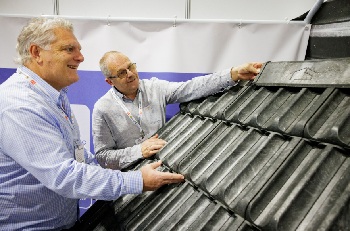
Discover the future of roofing, cladding and insulation.
New guidance for professional practice, cultural change and regulation in social housing.
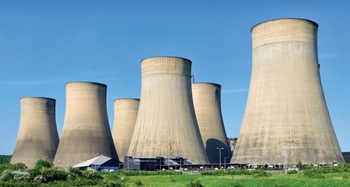
The heritage of nuclear and conventional power stations.
New measures to stop people being ripped off

Government to protect families from cowboy builders and aggressive bailiffs.

New Futurebuild showcase brings an innovation-first approach.
National Planning Policy Framework
Understanding the 2026 changes.
ECA's public affairs priorities

Member consultation opens to shape priorities for 2027 to 2030.

Dutyholder responsibilities from 1 July 2026.
Where performance meets practice

The Building Envelope Stage at UKCW Birmingham.

CIAT publishes briefing on planning reforms.